The industrial robotics sector in 2026 is defined by innovation, precision, and adaptability, driven by the need for smarter factories and sustainable production. Below is a curated list (in no particular order) of 10 leading manufacturers that are redefining automation, with a focus on their unique contributions and market impact.

1. ABB
A global leader in industrial automation, ABB continues to drive advancements in collaborative robots (cobots) and AI-integrated smart factories. ABB remains recognized for its modular designs and cross-industry solutions, from automotive to renewable energy.
2. KUKA
German-based KUKA, a subsidiary of Midea Group, is a pioneer in industrial robotics, particularly excelling in the automotive and aerospace sectors. Its KR CYBERTECH series redefines precision with compact, high-performance robots optimized for welding, assembly, and material handling. Designed for agility, these robots feature slimline designs and advanced trajectory control, enabling rapid reorientation and stable operations in confined spaces.

3. Jehson
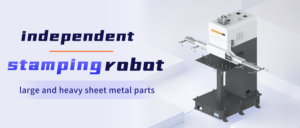
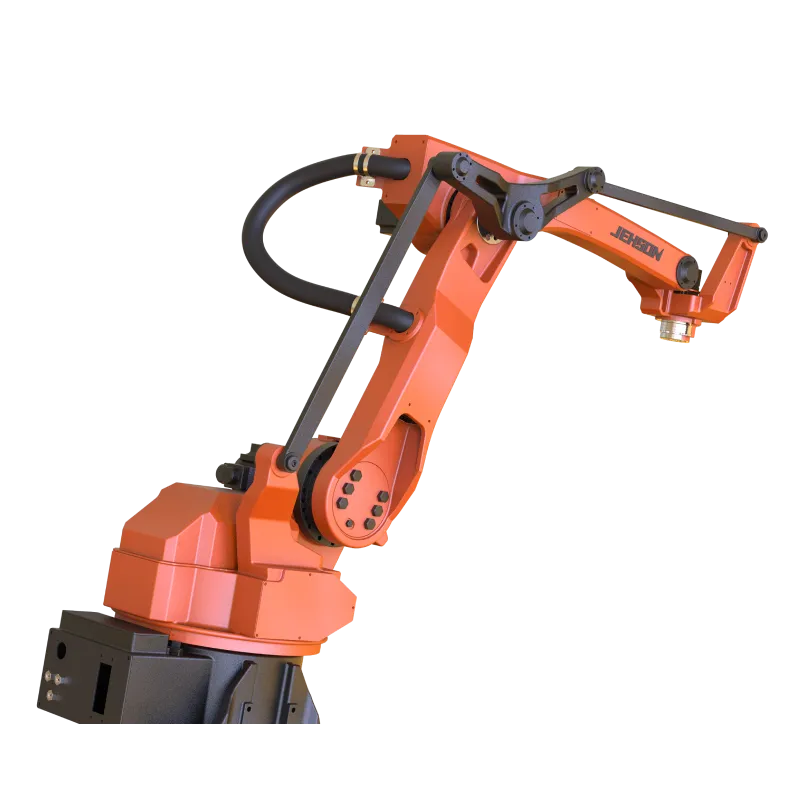
Jehson, a core brand under the Kaisuo Group, was founded in 2015 and is a rising star in intelligent stamping and smart factory solutions. Its business encompasses robotics and intelligent manufacturing, with the cumulative number of patent applications exceeding 100, including in-house developed robots for the stamping industry and multi-body, multi-functional, fully automated production lines.

4. Universal Robots
Danish pioneer of user-friendly cobots, Universal Robots empowers SMEs with plug-and-play automation. Models like the AI-powered UR20 (20kg payload) highlight its commitment to flexibility.
5. Yaskawa
Yaskawa’s Motoman series leads in welding and assembly, with its i³-Mechatronics philosophy integrating AI and digital twins. A cornerstone of Industry 4.0, Yaskawa’s global presence supports diverse industries.
6. Epson
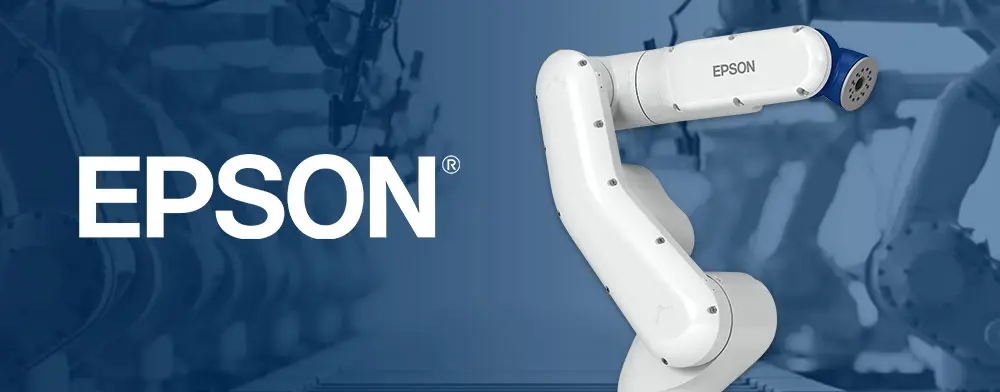
Known for compact, high-speed SCARA and 6-axis robots, Epson excels in precision assembly (e.g., medical devices, food packaging). Its LS6 cobot series sets repeatability records (±0.005mm), but 2026 updates are not detailed in the retrieval content.

7. FANUC
Japan’s FANUC, the world’s largest industrial robot producer, dominates high-volume production with its durable yellow cobots and FIELD System ecosystem. Its emphasis on 24/7 uptime and simplicity in electronics and automotive sectors remains a benchmark.

8. Omron
Established in 1983 and headquartered in California, Omron Adept Technologies focuses on industrial automation and robotics. It manufactures top-tier robotic CNC machines and supplies electronic/mechanical components for commercial, industrial, and healthcare systems.

9. Mitsubishi Robotic
Mitsubishi Robotic (a key division of Mitsubishi Electric) delivers versatile automation solutions for assembly, welding, and material handling, with a focus on speed and precision. With a global footprint spanning 150+ countries, Mitsubishi Robotics tailors solutions to complex automation challenges, from small-batch customization to large-scale production.

10. Denso
Denso, a top auto parts maker and key force in industrial robotics, split from Toyota (formerly Nippon Denso) to lead globally. Its division crafts compact, high-speed robots for assembly, inspection, and packaging—favored in electronics/auto for precision. New CEO Shinnosuke Hayashi pushes software/mobility innovation, aligning with smart manufacturing. Heavy R&D embeds AI/IoT in next-gen smart factories.
Conclusion
The 2026 industrial robotics landscape thrives on diversity: from ABB’s AI integration to Jehson’s niche in stamping automation. Jehson stands out for its in-house developed robotic solutions, full-industry-chain service, and proven results in SMEs, embodying the shift toward accessible, flexible automation. As these manufacturers push boundaries, the future of manufacturing grows smarter, safer, and more sustainable.