In recent years, robotics has transformed manufacturing landscapes across the globe. From automotive assembly lines to electronics production, robots are increasingly becoming integral to operational efficiency. However, their adoption sparks debate about whether the benefits outweigh the challenges.
Benefits of Industrial Robots
Enhanced Efficiency
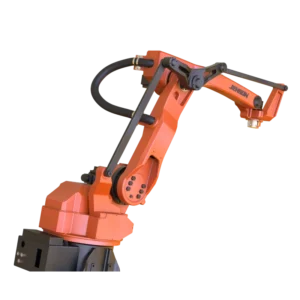
Robots can work tirelessly without breaks, holidays or fatigue. This capability addresses labour shortages and enables production cycles to be met during periods of high demand. For example, a single axis robot arm can increase output by up to three times in a facility by working around the clock—a real game-changer for industries such as automotive parts manufacturing.
Precision and Consistency Unmatched by Humans
Unlike human workers, robots eliminate inconsistencies caused by fatigue or distraction. Advanced cobots boast repeatability, ensuring uniformity in tasks. Its precision reduces scrap rates and rework costs, critical for industries governed by strict regulatory standards.
Improved Safety
Robots excel in hazardous environments, handling toxic chemicals, extreme temperatures, or heavy machinery. In metal stamping operations, stamping robots mitigate risks associated with repetitive motion injuries that are common among human workers.
Long-Term Cost Savings
Although the initial investment in robotics is higher, the long-term ROI is compelling. Replacing a human operator with a cobot can slash labour costs from $20–30 per hour to under $2 per hour. Reduced downtime, lower error rates and increased output mean that companies often recoup initial expenses within 12–36 months.
Flexibility and Scalability
Modern cobots, such as Jehson’s industrial robot, simplify programming through visual interfaces, enabling quick adaptation to new tasks. This flexibility suits small-batch production and customisation demands, allowing for adjustments to workflows without extensive reprogramming.

Disadvantages of Industrial Robotics
High Initial Investment
In addition to the cost of the hardware itself, integrating robots requires ancillary systems such as safety barriers and network connectivity. Small businesses may underestimate these additional expenses, which can increase the overall cost. Proper planning, including power upgrades and adjustments to the floor layout, is crucial to avoid delays.
Workforce Displacement Concerns
Automation raises valid concerns about job losses, particularly for roles that involve repetitive tasks. However, automation often reallocates labour rather than eliminating it. The advent of ‘cobotic’ workflows, in which humans and robots collaborate, is creating new roles in robotics management, programming and oversight.
Maintenance and Downtime Risks
Robots require routine maintenance—lubrication, sensor calibration, and software updates—to function optimally. Neglecting these tasks risks breakdowns and costly unplanned downtime, emphasising the need for proactive planning.
When are Robots Needed in Manufacturing?
To determine if robotics aligns with your goals, assess these factors:
- Task Suitability: Are processes repetitive, high-volume, or unsafe for humans?
- Financial Readiness: Can you absorb upfront costs and prioritise long-term ROI?
- Workforce Adaptability: Do you have (or train) staff to manage robotic systems?
- Infrastructure Compatibility: Does your facility support robotics integration (e.g., power, space)?
- Strategic Vision: Will automation enhance competitiveness or align with sustainability goals?
The Key Takeaway
Robotics in manufacturing offers undeniable advantages such as boosting productivity, quality, and safety, while posing challenges like high costs and workforce transitions. Businesses must weigh their unique needs without compromising human-centric values. As Standard Jehson demonstrates, the future of manufacturing isn’t human versus robot—it’s human with robot.