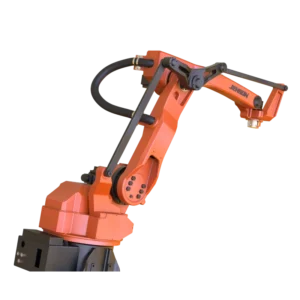
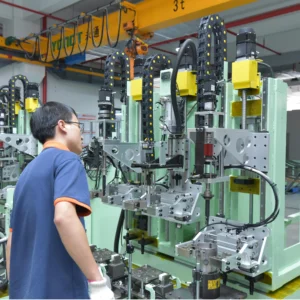
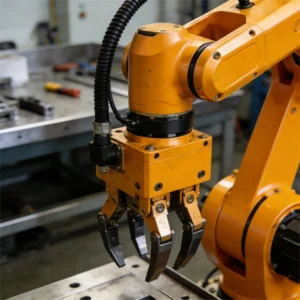
Robotic arms have revolutionized industries by performing tasks with unparalleled precision, speed, and reliability. At the heart of these advanced systems lies the servo motor, a critical component that bridges mechanical design and intelligent control.
What Is Robotic Servo-Motor?
A servo motor is an electromechanical device designed to convert electrical energy into precise mechanical motion. Unlike standard motors, servo motors operate in a closed-loop feedback system, combining a motor, gearbox, encoder, and controller to achieve exact position, speed, and torque control.
Core Components of Servo-Motor
A servo motor is a self-contained system that converts electrical energy into precise, controlled motion. Unlike standard motors, it operates via a closed-loop feedback mechanism, integrating four critical components:
Motor: Typically a DC or brushless DC motor for high efficiency.
Encoder: Provides real-time feedback on position and speed (e.g., optical or magnetic encoders).
Controller: Adjusts voltage and current to maintain desired motion parameters.
Gearbox: Reduces speed while increasing torque for heavy-duty applications.
How Servo-Motor Work?
Its loop enables robotic arms to perform delicate tasks like microchip assembly or heavy-duty operations:
- A command signal (e.g., from a PLC or microcontroller) specifies the target position.
- The motor rotates until the encoder detects the desired angle.
- The controller compares the actual vs. target position and adjusts the motor’s output in real time
Advantages of Servo Motors in Robotic Arms
Precision and Accuracy
Servo motors enable robotic arms to perform tasks like welding automotive parts or painting with deviations, such as KUKA’s IONTEC series, which achieves 0.05 mm positioning accuracy.
Dynamic Torque and Speed
Servo motors deliver up to 50 Nm of torque while maintaining efficiency, which is essential for lifting heavy loads in logistics robots, such as KUKA Quantec robots. It can handle payloads up to 1,300 kg while maintaining high speeds in automotive welding lines.
Energy Efficiency
Servo systems power down during idle periods, reducing energy consumption by 30–50% in continuous operations
Compact Design
Modern servo motors integrate compact gearboxes, fitting into tight spaces for medical or laboratory robots
Durability
High IP-rated models can withstand harsh environments, such as those found in automotive factories, and can operate without maintenance.
Types of Servo Motor
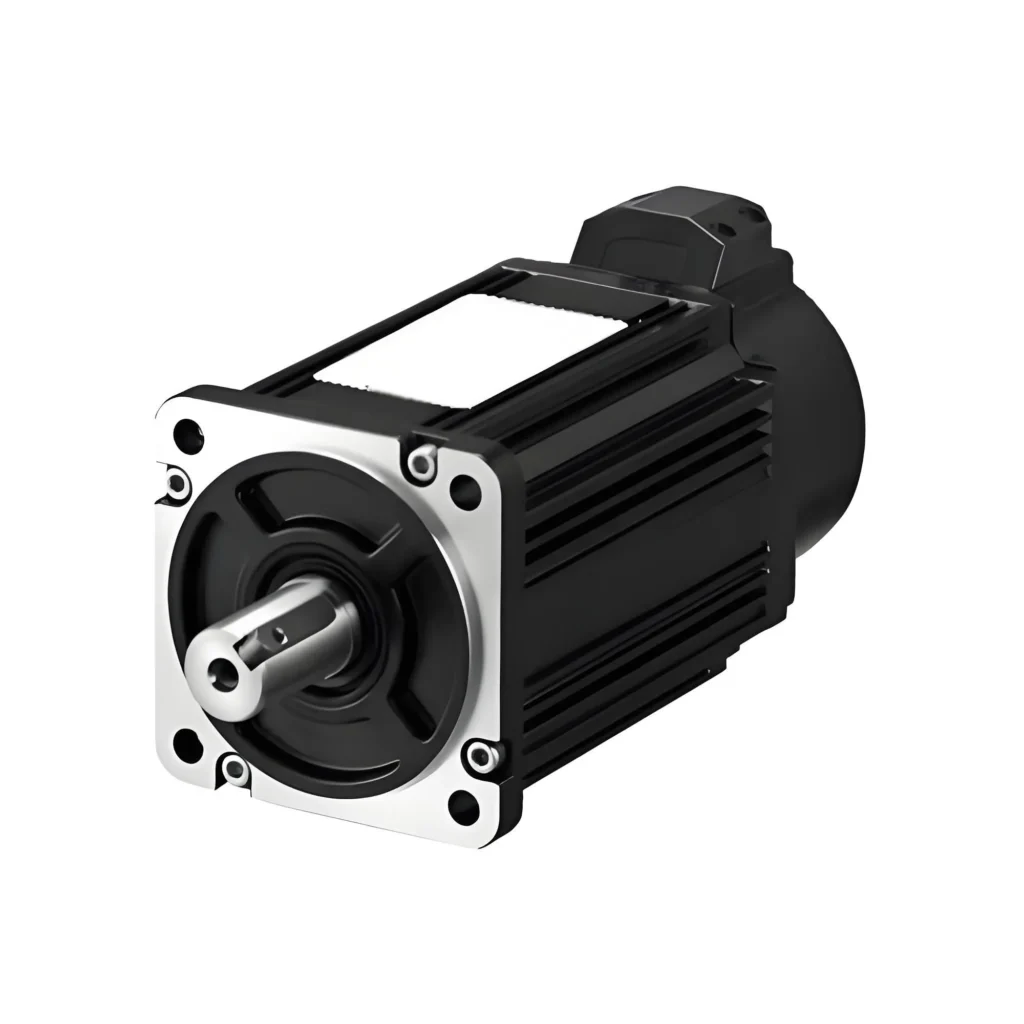
Industrial robotic systems rely on servo motors to achieve precise, dynamic, and reliable motion control. These motors are the “muscles” behind robotic arms, enabling tasks ranging from delicate assembly to heavy-duty welding. Here’s a breakdown of the most common servo motor types.
DC Servo Motors
DC servo motors use direct current (DC) power and are favored for their simplicity, cost-effectiveness, and ease of control.
Advantages of DC Servo Motors
- High starting torque and responsiveness.
- Simple design with fewer components.
- Cost-effective for low-to-medium precision applications.
Disadvantages of DC Servo Motors
- Brushes in brushed DC motors wear out over time, requiring maintenance.
- Limited speed range compared to AC servo motors.
Applications
- Small-scale robotic arms in electronics assembly.
- Conveyor systems in the packaging industries.
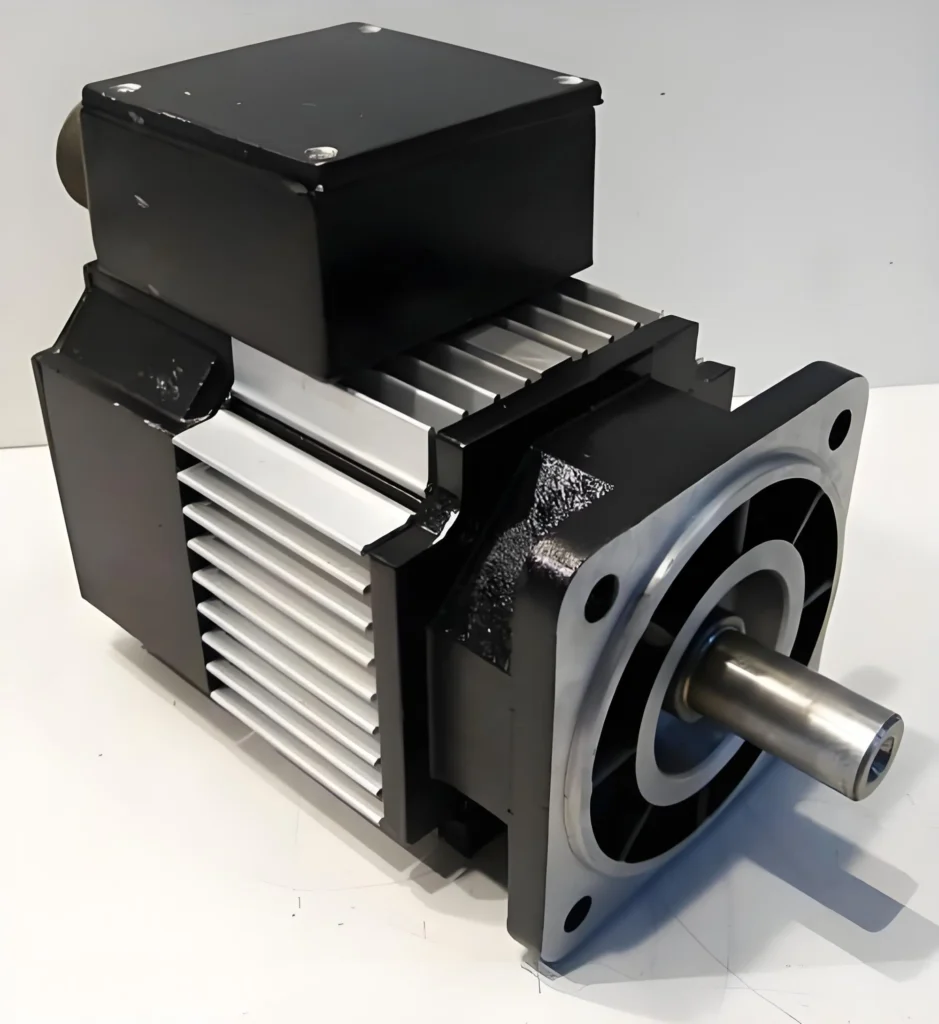
AC Servo Motors
AC servo motors use alternating current (AC) and are preferred for high-power, high-precision industrial applications.
Advantages of AC Servo Motors
- High efficiency and power density.
- Wide speed range (from zero to high RPM).
- Long lifespan with minimal maintenance.
Disadvantages of AC Servo Motors
- Complex control algorithms are required.
- Higher initial cost compared to DC servos.
Applications
- Heavy-duty robotic arms are used in automotive welding and metal stamping.
- Large-scale CNC machinery.

Brushless DC (BLDC) Servo Motors
BLDC servo motors combine the efficiency of brushless DC technology with closed-loop feedback control.
Advantages of BLDC
- Zero brush wear, reducing maintenance.
- High efficiency (>90%) and torque-to-weight ratio.
- Suitable for high-speed, high-precision tasks.
Disadvantages of BLDC
- Requires sophisticated control electronics.
- Higher initial cost than brushed DC motors.
Applications
- Collaborative robots (cobots) in manufacturing.
- Medical robots for minimally invasive surgery.
The Key Takeaway
Most of Jehson’s industrial robots utilize AC servo motors, these industrial robots redefine what’s possible in manufacturing and beyond. As AI, edge computing, and modular designs evolve, servo-driven robotic arms will continue to drive efficiency, safety, and innovation across industries.